
If some rooms in your home are freezing while others feel like a sauna, it’s likely your radiators need balancing. Radiator balancing ensures hot water flows evenly through your central heating system, so every room warms up at a consistent rate. This not only improves comfort but also boosts energy efficiency, reducing heating bills and wear on your boiler. Proper balancing prevents some radiators from overheating, while others stay.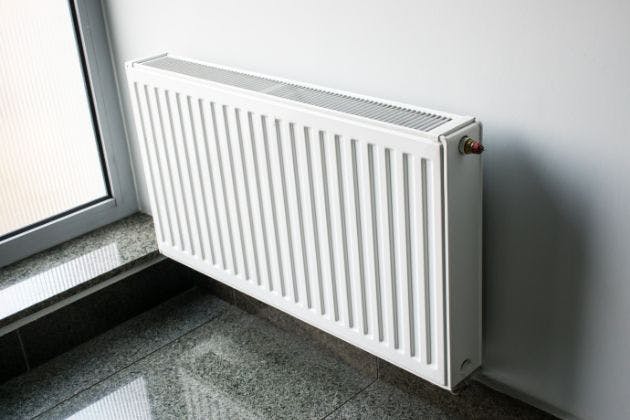
Typical signs your radiators need balancing
Radiator balancing is not the same as bleeding, although you might need to do both. Balancing deals with how hot water is shared around the system, not trapped air.
You may have an imbalance if you notice any of these issues:
Some radiators get scorching hot while others stay lukewarm or cold
Rooms furthest from the boiler take ages to warm up
Your boiler switches on and off frequently (short cycling)
Radiators upstairs heat much faster than those downstairs, or vice versa
You have already bled the radiators but still have cold spots
If several of these sound familiar, a careful balancing session can often make a big difference to comfort and running costs.
Tools and safety notes before you start
You do not need specialist equipment for basic radiator balancing, but some simple tools help. Work methodically, take your time and stay safety conscious.
Useful items include:
Small adjustable spanner or lockshield key
Flathead screwdriver (for some lockshield caps)
Pen and paper or a simple room-by-room checklist
Optional: clip-on radiator thermometer or infrared thermometer
Central heating systems run with very hot water, so treat all radiators and pipework with care. Avoid touching bare copper pipes, valve bodies or metal fittings when the heating has been on, as these can cause burns.
Always make sure children and pets are kept away while you work. If at any point you feel unsure what you are adjusting, stop and get professional help rather than forcing anything.
Step-by-step method to balance your radiators
The basic idea of balancing is simple. You slightly restrict the flow to radiators that heat up quickly so that slower ones get more of the hot water they need. The result should be an even warm-up across the whole house.
1. Prepare the system
Turn the heating off and allow the system to cool for at least 30 to 60 minutes so you can touch radiators safely. Check your boiler pressure is within the recommended green zone on the gauge.
Bleed all radiators first, starting downstairs, then upstairs. Top up the boiler pressure if it drops after bleeding, following the instructions on your boiler or filling loop.
2. Open radiator valves fully
Each radiator usually has two valves. The thermostatic radiator valve (TRV) or standard wheelhead controls heat in the room. The lockshield valve balances the system and often has a plastic cap without temperature numbers.
With the heating still off, open both valves on every radiator fully by turning them anticlockwise. On lockshields this may need a spanner or key. Note which side the lockshield is on for each radiator.
3. Turn the heating back on and identify the fastest radiator
Set all TRVs or wheelhead valves to their maximum setting. Turn the heating on and set the room thermostat to a higher temperature so the boiler runs continuously for a while.
Walk around the house and feel each radiator gently with the back of your hand. The one that gets hot first is usually closest to the boiler or has the least restriction. This will be your starting point.
4. Start locking down the quickest radiators
On the fastest radiator, close the lockshield fully by turning it clockwise, then reopen it by about a quarter to half a turn. This will reduce the flow through that radiator but still allow it to heat.
Give it a few minutes, then compare it with other radiators. If it is still heating much quicker than the rest, close it slightly more. Aim for modest adjustments, not big swings.
5. Work through the house in order
Move on to the next radiator that heats quickly and repeat the same process, closing the lockshield and reopening slightly. Radiators furthest from the boiler or on higher floors often need the lockshield more open, while closer ones can be more restricted.
Keep looping around the system, waiting a few minutes between rounds. You are aiming for all radiators to reach a comfortable temperature at a similar time, rather than one or two stealing most of the heat.
6. Fine tune and note valve positions
Once things feel more even, use gentle tweaks: an eighth of a turn at a time on the lockshields. Small changes can make a noticeable difference to balance.
When you are happy, write down roughly how open each lockshield is, for example “hall: half turn open, living room: quarter turn open”. This makes it easier to return to your settings in future after maintenance or decorating.
Balancing tips for different heating layouts
Every system behaves slightly differently, but some patterns are common. Understanding your layout helps you balance more effectively.
Two-storey homes
In many two-storey houses, upstairs radiators can heat faster because hot water naturally rises and pipe runs are often shorter. You may find you need to close upstairs lockshields more than those downstairs.
Start balancing from the radiator closest to the boiler, then work outwards and upwards, checking that key living areas like the lounge and main bedroom are neither starved of heat nor overheating.
Bungalows and single-storey systems
Bungalows and flats often have longer horizontal pipe runs. Radiators at the far ends of the circuit may need their lockshields more open than those near the middle.
Pay particular attention to corner rooms and those with large windows, as these can lose heat faster and show up any slight imbalance more clearly.
Older microbore systems
Microbore systems, with very thin pipes feeding each radiator, can be especially sensitive. A small adjustment at a lockshield can have a big effect on flow.
Make very small changes at a time and allow longer between checks. If the system has not been cleaned for years, you may also be battling with sludge, which balancing alone cannot fix.
Common problems and troubleshooting
Sometimes issues crop up while you are trying to balance the system. Here are some frequent ones and what they might mean.
If a lockshield cap will not come off or the valve will not turn, do not force it. The plastic can crack and the metal components can shear, causing leaks. A stuck valve can indicate corrosion or long-term lack of movement and is best left to a heating engineer.
Noisy valves or whistling sounds after adjustment usually mean the flow is too high through that radiator. Try opening the lockshield a little more or slightly closing nearby radiators so the flow is shared more evenly.
If your boiler pressure keeps dropping after bleeding and balancing, check for obvious leaks around valves and pipe joints. Persistent pressure loss should always be investigated by a professional, as it can signal a hidden leak or expansion vessel issue in the boiler.
Suggested internal diagram for clarity
For extra clarity, consider including a simple diagram of a typical radiator, showing the TRV on one side, the lockshield on the other, and arrows for flow and return pipework. Adding labels for “open” and “closed” directions on the lockshield will help homeowners feel more confident about which part to adjust.
Quick summary checklist for balancing radiators
Bleed all radiators and top up boiler pressure first
Open every radiator valve fully, then run the heating on high
Find the fastest heating radiator and restrict it slightly at the lockshield
Work through the house, adjusting lockshields so all rooms warm up evenly
Make small changes, wait between tweaks and note final settings
When to call a heating engineer instead
Balancing is ideal for fine-tuning, but some issues point to deeper problems that need expert attention. Repeatedly getting air in radiators, even after bleeding, can signal corrosion, a failing component or an issue with the system design.
Black or sludgy water when you bleed radiators, or radiators cold at the bottom but hot at the top, often means there is sludge in the system. In that case, a proper clean and possibly new filters are more important than balancing alone.
Very old or sticking TRVs, radiators that never get warm despite valves being open, or ongoing cold spots after several careful attempts to balance all, suggest it is time to bring in a professional. They can look at the overall central heating system design, pump settings, controls and boiler performance, not just the radiators.
If you would like expert help with radiator balancing, central heating upgrades or boiler maintenance, contact Green & Reliable Heating on 08001182467. A qualified engineer can assess your system, make precise adjustments and advise on any improvements to keep your home warm, efficient and safe.