
If your radiator feels hot at the top but remains cold at the bottom, it usually means there’s a blockage or poor circulation inside your heating system. This uneven heat pattern is a clear sign that water isn’t flowing properly through the radiator.
Understanding this can help you identify the likely cause, whether it’s trapped air, sludge build-up, or a stuck valve, and decide what to do next. By paying attention to where the radiator is cold, you can take simple DIY steps like bleeding the radiator or checking the valves, or know when it’s time to call a professional engineer for a thorough inspection and repair.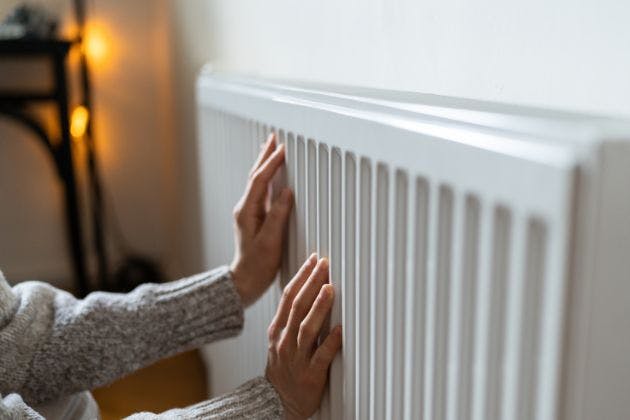
What a cold-bottom radiator is telling you
A radiator that is cold at the bottom and warm or hot at the top typically points to a blockage or restriction inside the radiator itself. In most homes, this is due to a build-up of sludge or magnetite that settles in the lowest parts of the system.
In contrast, trapped air usually collects at the top of a radiator, making the top cold and the bottom relatively warm. That top-cold pattern is often fixable with a simple bleed, while a bottom-cold radiator usually needs more attention.
Quick visual and touch checks
Before you do anything else, let your heating run for at least 15 to 20 minutes. Then carefully feel the radiator surface from top to bottom. Use the back of your hand and take care around very hot surfaces.
Note what you find for each radiator, for example:
Hot at the top, cold or cool at the bottom
Cold at the top, warm at the bottom
Cold or lukewarm all over compared with other radiators
This simple check will help you and any engineer quickly narrow down whether the main problem is sludge, air, stuck valves or poor circulation.
Main causes of a radiator being cold at the bottom
Sludge and magnetite build-up
Sludge is a mix of rust particles, dirt and debris that builds up inside older or untreated systems. Because it is heavier than water, it settles at the bottom of radiators and in low points of pipework.
Over time this layer can become thick enough to act like a blanket, stopping hot water from reaching the bottom of the radiator. You may also hear gurgling, notice cooler rooms, or see very dark, dirty water when radiators are bled.
Trapped air: top cold vs bottom cold
Air in the system rises to the highest parts, so it gathers at the top of radiators. If the top is cold and the bottom is warm, air is the likely culprit and bleeding the radiator is usually the first step.
If the bottom is cold but the top heats up, trapped air alone is unlikely to be the cause. You may have both air and sludge, especially if you need to bleed radiators frequently or hear constant trickling noises in the pipework.
Stuck TRVs and other radiator valves
Thermostatic radiator valves (TRVs) can seize in the closed position, especially after summer, when they have been left turned off. A stuck valve can leave a radiator cold or only partially warm, often from one side.
Lockshield valves at the other end of the radiator can also be partly closed, which restricts flow. This can give you odd temperature patterns and make it harder to tell if sludge is also present.
Poor circulation in the system
If the pump is not working properly or the system is unbalanced, some radiators will not receive enough hot water. You might find radiators furthest from the boiler are much cooler or that only the tops get warm.
Poor circulation can go hand in hand with sludge build-up, as blockages make the pump work harder and reduce flow even more, especially to lower parts of the radiators.
Safe DIY checks before you call an engineer
Bleeding radiators that are cold at the top
Only bleed radiators that are cold at the top and warm at the bottom. Turn the heating off and allow things to cool slightly so you do not burn yourself with hot water or steam.
Use a radiator key to open the bleed valve slowly at the top corner of the radiator. Listen for hissing air. Once a steady stream of water appears, close the valve firmly. Afterwards, check your boiler pressure and top it up if needed according to the manufacturer's instructions.
Checking TRVs and manual valves
Make sure each TRV is set to a higher setting and not on the snowflake or frost symbol. For manual valves, confirm they are fully open by turning them anti-clockwise as far as they will comfortably go.
If a TRV head is loose, spinning freely or if you suspect the pin underneath is stuck, an engineer should inspect it. Forcing valves can cause leaks, so avoid using tools on them unless you are confident and know how your system is set up.
Noting radiator patterns around the house
Walk through your home and note which radiators are affected and how. Patterns are very useful for diagnosing the root cause. For example, multiple radiators with cold bottoms suggest widespread sludge rather than a single faulty valve.
If only one radiator is affected and others are fine, that single unit may be heavily silted up or have a local valve or pipework issue that needs a closer look.
Why this matters for your boiler
When radiators are full of sludge or not heating evenly, your boiler has to run longer to heat your home, which wastes energy and money. The boiler may also cycle on and off more often as it struggles with uneven temperatures.
Poor circulation and blocked radiators can lead to uneven return temperatures back to the boiler. Over time, this extra strain can reduce efficiency and contribute to component wear inside the boiler and pump.
When to call a heating engineer
It is sensible to bring in a professional if you notice any of the following:
Several radiators are cold at the bottom or patchy in multiple rooms
You have to bleed the same radiators again and again
Very dark, dirty or sludgy water comes out of the bleed valve
Radiators stay lukewarm even with valves fully open and the boiler working
These signs suggest your system needs more than a simple bleed or valve tweak. An engineer can test circulation, check pump performance and assess whether your boiler and pipework are being affected.
What an engineer might recommend next
After checking the radiators, boiler and pipework, a heating engineer may suggest a system clean to remove sludge and magnetite. In some cases, this could include a powerflush, using specialised equipment and chemicals to move debris out of the system.
They may also recommend fitting a magnetic filter on the pipework near the boiler. This helps capture circulating metal particles and, when used along with a corrosion inhibitor in the water, can reduce how quickly sludge builds up again.
Finally, once the system is clean and flowing properly, the engineer might balance the radiators. Balancing is the process of adjusting valves so each radiator gets the right share of hot water, improving comfort and efficiency across the whole house.
Keeping your system healthier in future
Regular boiler servicing helps spot circulation issues before they become serious. Having the system water checked and topped up with inhibitor when required can slow corrosion inside radiators and pipework.
It is also a good idea to pay attention to changes in radiator performance. If a previously hot radiator gradually becomes cold at the bottom, tackling it early usually means less disruption and an easier fix.
Next steps if your radiator is still cold at the bottom
If your radiator stays cold at the bottom after basic checks, you likely have a sludge or circulation issue that needs professional attention. Ignoring it can reduce comfort, increase bills and put extra strain on your boiler.
For expert help with diagnosis, boiler servicing and repairs, contact Green & Reliable Heating on 08001182467 to book a service or repair visit. You can also read more about routine care on our boiler servicing page and follow up with our guide on boiler pressure dropping if you are seeing pressure changes as well.